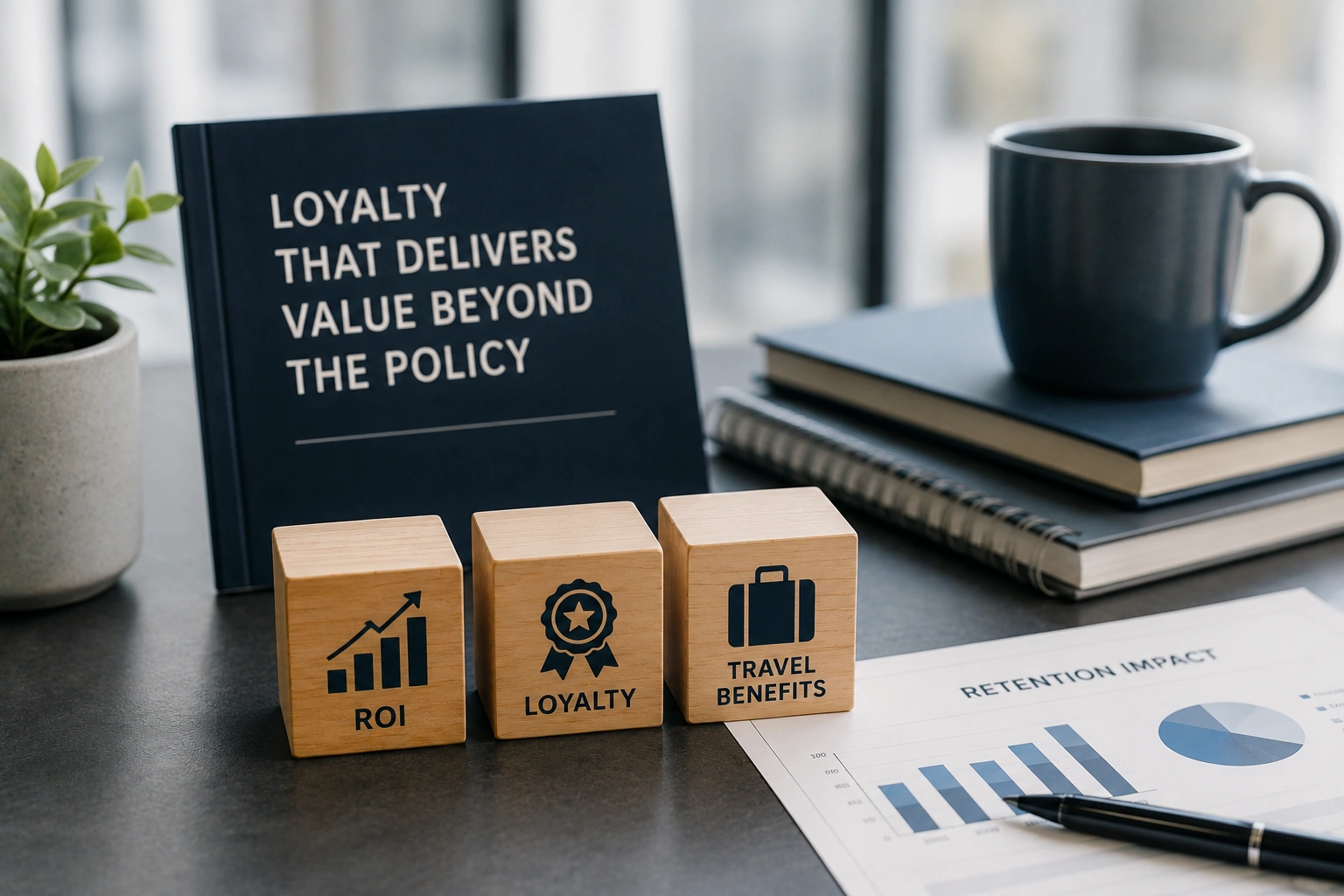

Loyalty platforms and subscription businesses spend a great deal of energy celebrating new member signups. What they spend far less time examining is the quiet exit that happens roughly four months later. This is not a rare edge case. It is a pattern, and a churn rate analysis across almost any subscription or loyalty platform will confirm it.
The question worth asking is not just when members leave. It is why month four specifically tends to be where the relationship breaks down, what the mechanics behind it actually are, and what kind of platform investment genuinely changes that outcome.
The Lifecycle Logic Behind Month 4 Churn
To understand why subscription churn clusters around month four, you have to think analytically about how a member experiences value over time, not as a single arc, but as a series of distinct psychological phases.
Month one is discovery. The member is new, curious, and motivated. They explore the platform, use whatever welcome benefit was promised, and form their first impressions based on potential. Months two and three are the transition period. Novelty fades, usage patterns settle, and the member begins measuring the platform against their expectations rather than their initial excitement.
By month four, a specific and largely irreversible psychological shift occurs. The member is no longer comparing the platform to what they imagined it would be. They are comparing it to what they have actually experienced. If those experiences have been thin, forgettable, or difficult to access, the renewal calculus tips quietly toward cancellation.
This is why churn rate analysis that only looks at cancellation dates misses the real story. The decision to leave was made weeks earlier, the moment perceived value dropped below the cost threshold. A cancellation recorded in month four was decided emotionally in month three. By the time the platform notices, the intervention window has already closed.
What Actually Drives Perceived Value Down
Most loyalty platforms are built on the assumption that a well-designed points accumulation system is sufficient to sustain long-term engagement. Points are visible, trackable, and feel rewarding in the short term. The structural problem is that accumulated points, left unredeemed, are psychologically inert.
A member who has collected points but never redeemed anything does not feel like a loyal, engaged member. They feel like someone stuck at a threshold they have not yet reached. The benefit exists on paper but has never materialized into a real moment. When renewal approaches, there is nothing experiential anchoring the relationship. The member cannot connect what they have paid to anything they actually remember.
This is a core, underappreciated driver of customer churn. Understanding how to reduce subscription churn requires recognizing the fundamental gap between accumulated value and experienced value. They are not the same thing, and platforms that treat them as equivalent will consistently see churn spike at the exact point where accumulated but unredeemed value should theoretically be at its highest. Points sitting in an account do not retain members, but the experiences and the moments do.
Why Travel Perks Interrupt the Churn Pattern
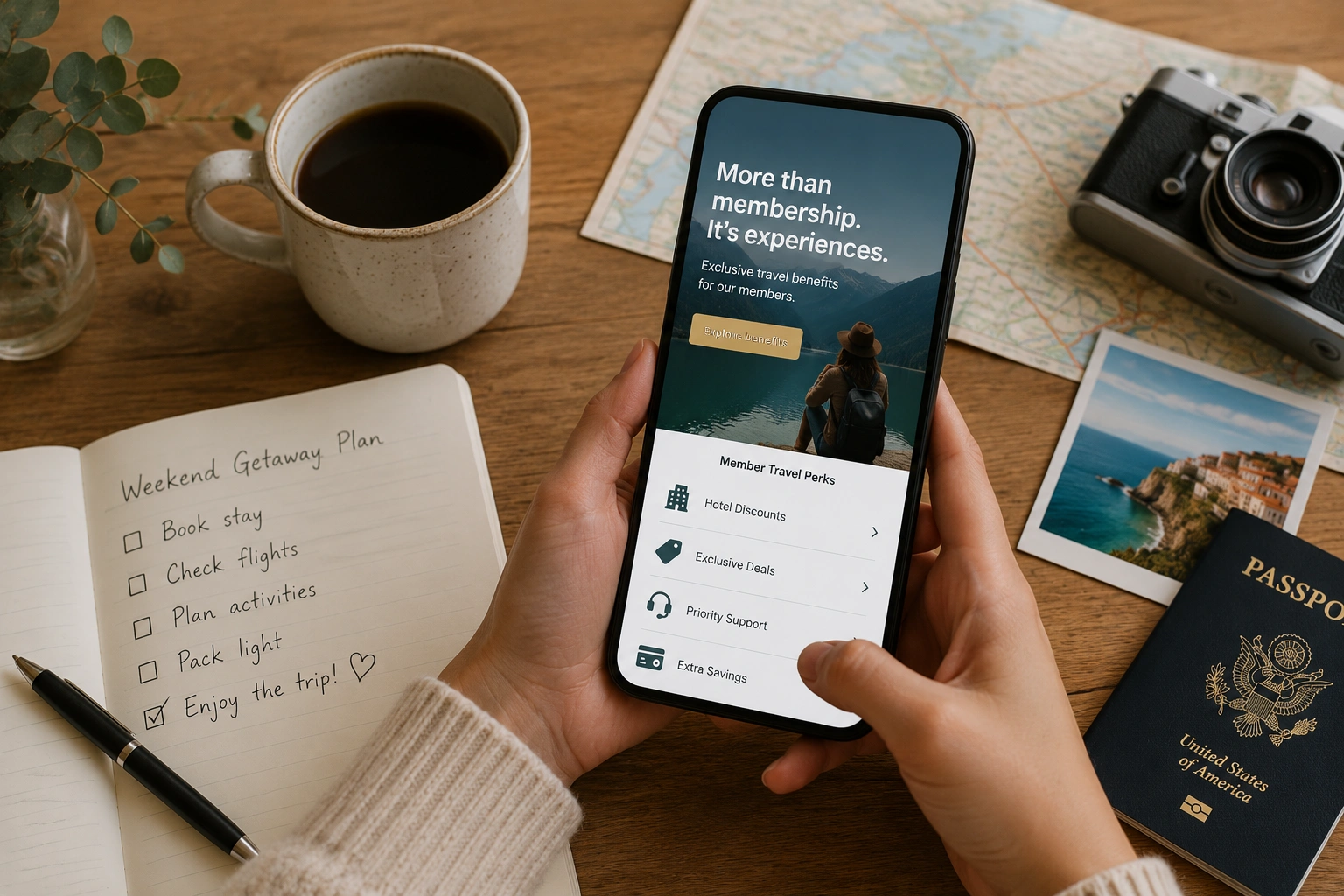
Travel perks operate differently from points accumulation because they produce discrete, memorable experiences rather than abstract balances. A hotel stay at a rate the member could not find publicly, airport lounge access before a stressful flight, a discounted cruise booked through a platform they trust: these are not abstract rewards. They are events the member can point to, recall, and directly attribute to their membership.
This matters enormously for customer retention strategies because experiential memories create what behavioral researchers call an anchor effect. One strong positive experience disproportionately resets the perceived value of the entire membership relationship. A member who redeems a meaningful travel benefit in month two or three enters month four with a completely different evaluation framework than one who has only watched a points balance grow.
Loyalty program perks that are experiential rather than transactional change the renewal question entirely. Instead of asking, “Is this worth what I am paying?” the member asks, “When will I use this again?” That shift in framing is not trivial. It is the difference between a relationship the member is actively exiting and one they are actively planning around.
The Problem with Generic Re-Engagement Tactics at This Stage
Many platforms respond to early churn signals with email re-engagement campaigns, push notifications, or limited-time discount offers. These tactics have a place in the retention toolkit, but they misdiagnose the problem. They treat a value perception gap as a communication gap.
A member who has mentally checked out by month three does not need more messages. They need a reason to act. Sending a reminder about points they have never touched does not solve the underlying issue. It often compounds it by highlighting precisely what they feel disconnected from.
Customer retention strategies that actually change the month four outcome are structural, not reactive. They are built into the platform’s benefit architecture from the start, engineered to ensure at least one meaningful redemption occurs before the first renewal window opens. That single event, a successful redemption with a positive experience, changes everything about what follows.
This is also where member support plays an underrated analytical role. Friction during a first redemption attempt, an unanswered query, or a late booking confirmation is not just a support failure. It is a churn accelerant. The member attempted to engage, hit a barrier, and formed a permanent negative association with the platform. Removing those barriers proactively, before the member encounters them, is one of the highest-leverage interventions available in churn reduction.
Churn Reduction Is a Benefits Design Problem, Not a Marketing One
Here is the reframe that most platforms resist: reducing churn is not fundamentally a marketing or pricing problem. It is a benefits design problem.
If your loyalty program perks are not compelling enough to drive meaningful redemption within the first 90 days, no amount of re-engagement communication will make up for it. By month four, the member has already formed their value assessment. A discount offer at that stage does not reverse a decision. It is responding to one that has already been made.
The platforms that solve this analytically start by examining their own redemption data across two specific dimensions. First, what percentage of members who cancel in month four have ever redeemed any benefit? Second, what is the average time between signup and first redemption for members who do renew? These two data points, mapped against each other, almost always reveal exactly where the retention problem lives and confirm that it is a benefits, access, and design problem, not an acquisition or communication one.
If churning members consistently never redeemed anything meaningful, a better winback campaign is not the answer. A better benefits catalog, paired with proactive support that eliminates every barrier between the member and their first redemption, is.

Most Platforms Fail To Solve The Infrastructure Problem
Understanding the problem is one thing. Solving it operationally is genuinely difficult, and that difficulty is worth examining honestly.
Most loyalty platforms are not travel companies. Building a compelling, reliable travel benefits layer from scratch requires direct relationships with hotel suppliers at wholesale rates, airline inventory, ancillary services such as car rentals, cruises, and activities, and the customer support infrastructure to handle travel-specific queries at scale across time zones and in multiple languages. For a platform whose core competency is member engagement rather than travel operations, this represents a significant investment with an 18-month or longer lead time before it can meaningfully influence month four churn.
This is where the choice to partner with a purpose-built private-label travel platform becomes as much a retention decision as a product one. Custom Travel Solutions is built specifically for loyalty platforms, financial services companies, and member-only platforms that want to add a genuine travel benefits layer without owning the travel infrastructure themselves.
What that means practically: CTS provides access to over three million accommodations, more than 950 airlines, 45,000-plus cruise itineraries, car rentals, tours, activities, visa and passport services, and a benefits catalog of more than 30 travel perks including airport lounge access, personal concierge, e-SIM, and travel insurance, all deployable under the platform’s own branding in as little as 10 business days.
Critically, CTS also handles what most travel benefit integrations quietly fail at: the member support layer. Their 24/7 omni-channel support team, reachable via call, email, chat, and WhatsApp, is staffed by trained travel experts operating under the platform’s private label, not a generic third-party service. That distinction matters directly for churn reduction because a member who calls with a booking question and reaches a knowledgeable, responsive expert branded by the platform they trust is experiencing a retention event, not just a support interaction.
CTS also supports loyalty currency integration, allowing platforms to connect their existing points or coins infrastructure so members can earn and redeem within a single, seamless travel booking experience. That closes the gap between accumulated points and actual redemption, which is precisely where the customer churn rate originates.
If it sounds like we can solve what you’re struggling with, book a call today.
What a Healthy Retention Curve Actually Looks Like
Platforms that solve the month-four problem do not simply see lower cancellation rates at a single point in the lifecycle. They see a structural change in their entire retention curve. Members who renew once are significantly more likely to renew again. Members who have redeemed multiple travel benefits become advocates. Advocacy generates organic acquisition at a cost that paid channels cannot match.
The customer churn rate improvement compounds over time in a way that acquisition-side investment never can. Each percentage-point improvement in early retention has downstream effects on month 12, month 24, and total lifetime value per member. The math on solving early churn almost always outperforms the math on increasing acquisition spend to replace churned members.
This is the analytical case for treating churn rate reduction not as a reactive campaign problem but as a strategic infrastructure investment, one that pays compound returns across the entire membership lifecycle.